

Summer camping often brings packed campgrounds, long lines, and hot parking lots. Boat camping offers a quieter alternative that combines time on the water with the freedom to camp in places that many travelers never reach.
Whether using a small fishing boat, a runabout, or a larger vessel with overnight space, this style of camping opens the door to riverbanks, islands, and remote shorelines that stay far from the usual crowds.
One remarkable example came from a five-day trip through Utah’s Canyonlands, where a 14-foot outboard boat traveled nearly 190 miles across the Green and Colorado rivers.
The journey highlighted how boat camping can turn a simple outdoor trip into an unforgettable experience without requiring expensive equipment or luxury accommodations.
A Journey Through Canyonlands by Boat
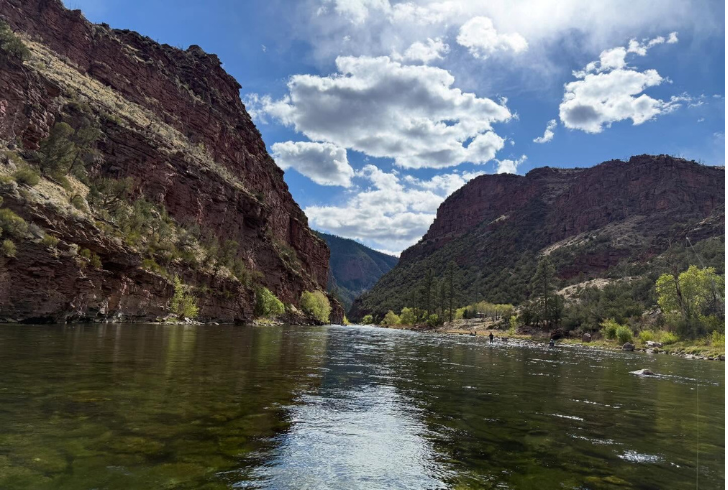
The route began on Utah’s Green River and continued for 100 miles through deep canyons and quiet river bottoms before reaching the point where the Green River joins the Colorado River. From there, the trip headed north for another 90 miles to Moab, Utah.
Along this stretch, travelers explored hidden gold mines, caught channel catfish, and climbed towering red rock cliffs to view ancient Native American pictographs that remain tucked away from heavily visited areas.
The expedition also included Bill and Lee Howland, a father-and-son ranching team from Green River village, who traveled in a separate boat. During the journey, campsites were selected on level sandbars and riverbanks as evening approached.
Campfires fueled with piñon wood provided warmth, while sleeping bags were spread beneath open skies. Careful fire management allowed glowing embers to remain overnight, making it easy to prepare breakfast before returning to the river each morning.
Although the desert is known for intense daytime heat, early mornings often brought surprisingly cool temperatures. Once breakfast was finished, gear was loaded back into the boats, outboard motors were started, and another day of exploration began.
Scenery That Few Travelers Ever See
The Green River constantly changes character. At times, the current moves quietly through calm water. In other sections, especially near The Slide, where a massive canyon wall once collapsed close to the Green-Colorado River junction, conditions become noticeably faster and rougher.
Several landmarks stand out along this route. Anderson Bottom features towering scarlet cliffs, while Dead Horse Point rises dramatically above the river. At some locations, the canyon rim climbs more than 1,000 feet above the water, creating views that remain among the most recognizable in the American Southwest.
Wildlife often becomes part of the experience as well. Throughout the entire 190-mile route, mule deer frequently appeared along the shoreline, moving between feeding areas in the river bottoms and bedding grounds high among the rocky cliffs. Human traffic, however, remained surprisingly limited, giving much of the river a peaceful atmosphere.
Near the end of the journey, Bill Howland summed up the experience with a simple observation:
“We’ve found the secret of summertime escape.”
The statement reflected the appeal of boat camping. Instead of crowded campgrounds, the trip offered quiet waterways, wide-open scenery, and direct access to places that many visitors never see.
Why Boat Camping Stands Apart
Boat camping does not follow a single formula. Some travelers sleep aboard their boats, while others set up camp on nearby shores. The choice depends on the size of the boat, the number of people in the group, and how easily the vessel can accommodate overnight stays.
Fishing boats have become especially practical for this purpose. Their open layouts provide enough room to store fishing gear during the day and convert the space into a sleeping area at night. A collapsible top or simple overhead cover can provide shelter, while polyurethane foam mattresses and bedrolls create a comfortable sleeping surface without taking up excessive storage space.
An added advantage comes before the trip even begins. Boats that can double as campers while sitting on their trailers often reduce the need for overnight motel stays during long drives to a destination, making extended adventures more affordable.
Planning Makes Every Boat Camping Trip Better
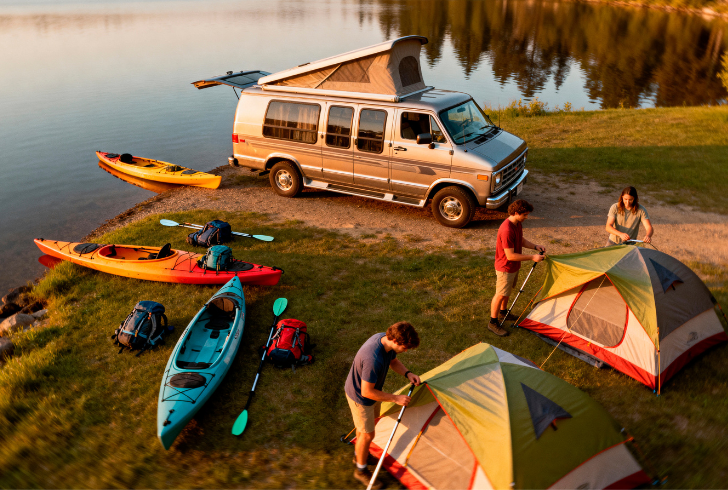
Boat camping offers flexibility, but every successful trip starts with careful planning. Weather conditions, fuel availability, water supplies, and overnight stops should all be considered before leaving the dock. A little preparation reduces unexpected problems and allows more time to enjoy the surroundings.
One useful step is choosing whether to camp aboard the boat or set up a tent on shore. Smaller boats often work well for shoreline camping, while larger fishing boats and cabin boats can comfortably accommodate overnight stays on the water. Families using a 16-foot runabout can usually carry enough supplies for one or even two weeks, especially when packing efficiently.
Maps also play an important role. State conservation agencies and watercraft departments provide detailed maps of inland lakes, while the U.S. Geological Survey publishes topographic maps covering every region of the country. Boaters traveling across the Great Lakes can rely on charts from the U.S. Engineer Department in Detroit, Michigan.
Coastal routes are mapped by the U.S. Coast and Geodetic Survey in Washington, D.C. In many cases, petroleum companies also distribute boating maps that identify marinas, campgrounds, and fueling locations, making them useful planning tools.
Essential Gear Without Overpacking
Boat camping succeeds when equipment stays simple and well organized. Every item should serve a clear purpose while fitting neatly into the available storage space.
Most trips require only a few basic essentials:
1. A lightweight overhead cover if the boat does not already have one.
2. Bedrolls or compact foam mattresses.
3. A portable stove with nesting cookware.
4. Basic cooking utensils and dishes.
5. A small cooler for food and drinks.
6. A lantern for evening use.
7. Mosquito netting when insects are common.
Compact equipment makes a noticeable difference. Nesting pots and pans occupy much less space than mismatched cookware, while foam mattresses that roll into tight bundles leave more room for food and supplies. Measuring unused storage areas before purchasing equipment also helps maximize every inch available on the boat.
Careful planning allows even relatively small boats to carry enough gear for comfortable overnight stays without feeling overloaded.
Lessons From Naples Bay
The waters around Naples Bay, Florida, also demonstrate why boat camping appeals to anglers and outdoor enthusiasts. A trip through the Marco and Caxambas Pass areas showed that using the boat as both transportation and overnight lodging saves valuable travel time between fishing spots and accommodations on shore.
Each evening, the boat could simply be beached in a suitable location before settling in for the night. That routine created more opportunities for fishing and exploring during daylight hours instead of spending time traveling back and forth to land-based lodging.
Fishing conditions varied throughout the trip, yet fresh catches remained plentiful. Channel bass and sheepshead supplied enough meals to avoid carrying large amounts of food. During one exceptionally low tide, nearby tidal flats produced enough oysters for a memorable meal. Some were enjoyed fresh, while the remaining oysters were roasted over driftwood coals.
The trip also highlighted how seasonal conditions affect comfort. Cooler-than-normal temperatures arrived unexpectedly, but insect activity remained limited. During warmer months, mosquitoes could become much more active. Carrying insect repellent and mosquito netting provides reliable protection, while anchoring offshore where steady breezes circulate often helps keep insects away during the night.
Managing Fuel, Water, and Food
Fuel planning deserves careful attention before starting any boating route. Some waterways offer marinas at regular intervals, making refueling simple. Others require carrying additional fuel from the start. Spare portable fuel tanks designed specifically for outboard motors make this process much easier because they connect directly to the engine without requiring funnels or fuel transfers.
Clean drinking water remains another essential supply. While lake or river water may sometimes be suitable for washing after proper treatment, drinking water should always be carried separately unless a dependable purification system is available. Durable plastic containers, including repurposed bleach bottles that have been thoroughly cleaned, provide a practical way to transport fresh water during longer trips.
Food storage has also become much easier over the years. Canned meals, dehydrated products, concentrated foods, and freeze-dried meals require little storage space while remaining easy to prepare. Travelers with larger coolers can pack fresh foods, although compact meal planning often proves more practical for extended outings.
Planning daily menus before departure prevents unnecessary packing and saves valuable storage space. Local farms found along many waterways may also provide fresh eggs, sweet corn, peaches, or poultry, adding variety without overloading the boat before departure.
In areas where regulations allow, naturally available foods such as wild berries, watercress, dandelion greens, oysters, clams, crabs, crawfish, frogs, nuts, and snapping turtles have traditionally supplemented camp meals. Freshwater crawfish, in particular, have long been appreciated for their shrimp-like flavor.
Wide-Open Waters Without the Crowds
One reason many outdoor enthusiasts choose boat camping is the opportunity to leave crowded campgrounds behind. While public campsites often fill quickly during peak summer months, large waterways frequently offer long stretches with very little traffic.
Fort Peck Reservoir in Montana provides a clear example. Stretching roughly 100 miles, along with another 100 miles of the nearby Missouri River, the area offers an impressive amount of open water. Boats launching near Glasgow and Fort Peck Dam may initially encounter water skiers and recreational boaters gathered close to the marina. Yet only a short distance farther, the crowds quickly disappear.
Much of Fort Peck allows camping along almost any shoreline without complicated rules. Quiet bays, remote islands, and undeveloped beaches give campers plenty of space and privacy. Many traditional campgrounds cannot offer the same experience. During one visit, two families camped together on an island. They spent their days fishing, swimming, collecting agates, and exploring the shoreline.
Before leaving, one parent said, “My vacation is over tomorrow, but I don’t know how we’ll get the kids to go home.” The quote shows why many families choose boat camping. It offers more space, fewer crowds, and easy access to nature.
Top Destinations for Boat Camping
One of the biggest advantages of boat camping is the wide variety of places where it can be enjoyed. Rivers, reservoirs, lakes, and island chains across North America provide opportunities for short weekend outings as well as extended vacations. The best destination often depends on local camping rules, water conditions, and the type of boat being used.
Many western waterways allow campers to pull ashore almost anywhere, provided the land is publicly managed and left exactly as it was found. Some eastern and southeastern locations have stricter regulations, requiring overnight stays at designated waterfront campgrounds or on private property with permission from the landowner. Checking local regulations before departure helps avoid unexpected restrictions.
Waterways Worth Exploring
The Tennessee Valley Authority (TVA) water system ranks among the longest connected boating routes in the United States. A trip can begin near Davy Crockett Lake in eastern Tennessee and continue west to Kentucky Lake near Paducah.
Along the route, boaters pass through changing scenery and year-round fishing waters while gaining access to more than 400 public recreation areas. These include 13 state parks, 62 county parks and campgrounds, and numerous federal recreation sites where camping is permitted. Boats also move through locks and dams without paying passage fees, making long-distance travel more convenient.
Island destinations offer another rewarding option. Wisconsin’s Apostle Islands in Lake Superior remain popular because many of the islands are either uninhabited or lightly populated. Historic sites, quiet shorelines, and productive fishing waters make the area attractive for multi-day camping trips. Michigan’s Cheneaux Islands provide similar conditions, combining peaceful anchorages with opportunities for fishing and wildlife viewing.
Large reservoirs also continue to attract boat campers from across the country. Fort Peck Reservoir in Montana remains one of the best-known locations, but it is far from the only choice. Other recommended destinations include Lake Mead on the Nevada-Arizona border, Lake Powell created by Glen Canyon Dam, Elephant Butte Reservoir in New Mexico, Lake Texoma in Texas, Missouri’s Lake of the Ozarks, Lake of the Woods in Ontario, Athapapuskow Lake and its connecting waterways in Manitoba, Florida’s St. Johns River system, and Norfolk and Bull Shoals lakes along the Arkansas-Missouri border.
Each destination offers different scenery, boating conditions, and fishing opportunities while providing room to camp away from busy public parks.
Historic and Remote Camping Areas
Boat camping often combines outdoor recreation with history. One notable location is Gates of the Mountains on the Missouri River near Helena, Montana. The U.S. Forest Service maintains a campground that can only be reached by boat, giving visitors access to the exact location where Lewis and Clark camped in 1806 during their expedition to the Pacific Ocean.
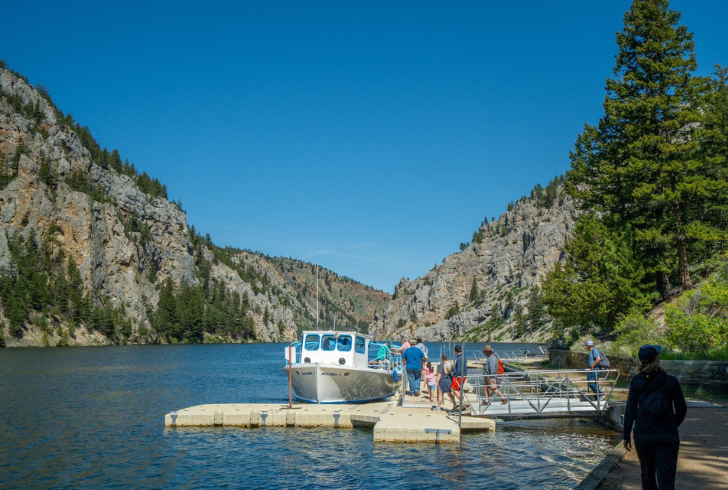
The towering rock walls surrounding the river earned the area its famous name after the explorers believed they had reached an impassable barrier. Today, those cliffs continue to frame one of Montana’s most memorable boating destinations while offering excellent nearby fishing.
Travelers looking for a more isolated experience often choose the Gulf of California in Mexico. It is accessible from mainland Mexico and the Baja California Peninsula through San Felipe. The region features long stretches of undeveloped shoreline, quiet islands, sandy beaches, abundant wildlife, and productive fishing throughout the year.
Services remain limited across much of the gulf. Careful planning and self-sufficiency are essential before launching a boat in the area.
Small Details That Make a Big Difference
A short weekend trip is a practical way to prepare for boat camping. Campers can organize gear, test sleeping arrangements, and improve storage before a longer trip. Keeping drinking water, navigation tools, emergency supplies, and a first-aid kit within easy reach also makes daily travel easier.
Responsible camping matters on the water just as much as it does on land. Pack out all trash, respect wildlife, follow local fire rules, and get permission where required. These simple steps help protect natural areas for future visitors.
Boat camping also opens the door to places that many road travelers never reach. Popular destinations include Utah’s Green River and Canyonlands, Fort Peck Reservoir, the Apostle Islands, the historic Gates of the Mountains on the Missouri River, and the connected waterways of the TVA system. Each location offers fishing, sightseeing, and waterfront campsites in a unique setting.
Near the end of the Green River trip, Bill Howland said, “We’ve found the secret of summertime escape.” The quote captures the lasting appeal of boat camping. Careful planning, reliable equipment, and respect for local regulations help make every trip safe, enjoyable, and memorable.