

Chinese-made vehicles are becoming a common sight in parts of Texas near the US-Mexico border. The cars are not officially sold in the United States, yet drivers continue spotting them on local roads every day.
The reason is simple. Mexico allows Chinese automakers to sell vehicles without the heavy restrictions found in the US market. Border cities now sit in the middle of that policy gap.
Places like El Paso have seen a steady rise in Chinese vehicles crossing into the United States. Many drivers travel back and forth between Mexico and Texas in cars purchased legally south of the border.
Why the US Blocked Chinese Vehicles
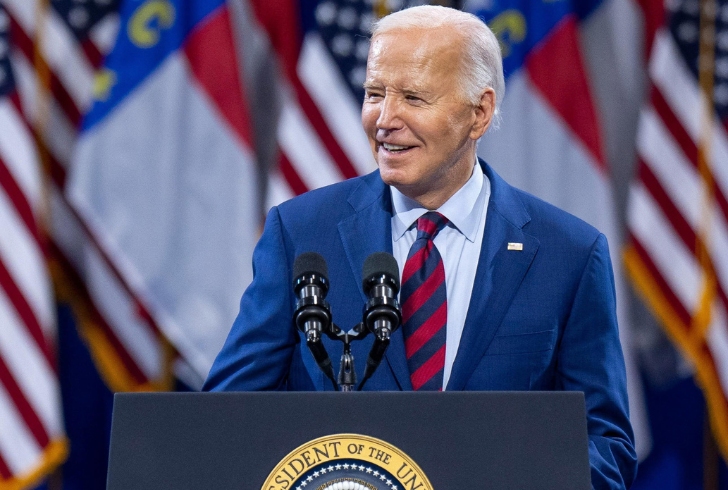
The United States tightened restrictions on Chinese automakers in January 2025. Former President Joe Biden introduced a 100% tariff on Chinese electric vehicles and related imports.
That move made it almost impossible for Chinese brands to compete in the American market. Manufacturing inside the US also became difficult under those policies.
Mexico follows different trade rules. Chinese companies continue to sell vehicles there without major tariff barriers. That decision created a visible contrast in border communities.
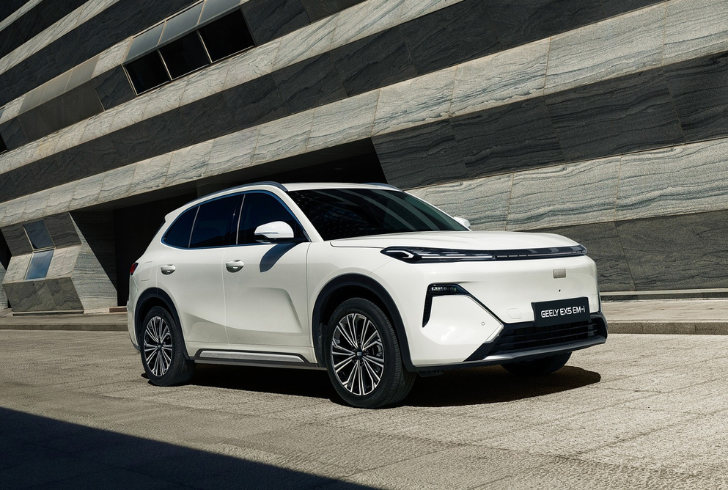
Drivers in Texas now regularly spot models from BYD and Geely on nearby roads.
Affordable Prices Are Drawing Attention
High vehicle prices in America continue to frustrate buyers. New cars in the US now average more than $50,000. Chinese automakers offer much lower prices, which has sparked growing interest.
The Geely EX2 starts at just over $10,000 in Mexico. That gap immediately catches attention.
Many buyers also notice that these vehicles include modern interiors, digital screens, and updated technology. The lower price does not always mean lower quality.
Ronnie Lowenfield, chief executive of Casa Auto Group in El Paso, said customers often ask about the Chinese cars they see near the border. Dealers usually explain that American buyers cannot legally purchase those models in the US.
Luis Hernandez, a Geely salesman in Mexico, said customers react strongly once they compare prices and features.
“People come, they see the difference and they’re impressed,” Hernandez told “The Wall Street Journal.”
He added that some longtime buyers of American brands have already switched to Chinese vehicles.
“If they were allowed to be sold in the United States — they would destroy the American car market,” he said.
Lawmakers Raise Security Concerns
Price is not the only issue worrying US officials. Many lawmakers now focus on data security and vehicle software.
Modern vehicles collect large amounts of information. Cars can track location data, driving habits, camera footage, and Bluetooth activity. Some officials fear Chinese-made systems could create security risks inside the United States.
Senator Elissa Slotkin warned about those dangers in a statement posted on X.
“Allowing Chinese cars into the United States with full motion video, geolocation and the ability to be hacked via Bluetooth is a threat to our national and economic security,” Slotkin said.
More than 70 House Democrats recently asked the White House to keep current restrictions in place.
Senator Bernie Moreno also plans to introduce legislation targeting Chinese vehicles entering through Mexico or Canada. His proposal would block partnerships between US and Chinese automakers. It could also force Chinese-owned companies with American connections to sell those interests.
Trump Suggests a Different Direction
President Donald Trump recently suggested a softer position during a speech at the Detroit Economic Club speech.
Trump said he would support Chinese companies building factories in the United States if they hired American workers.
“If they want to come in and build the plant and hire you and hire your friends and your neighbours, that’s great,” Trump said.
“Let China come in, let Japan come in. They’ll be building plants, but using our labour.”
Chinese vehicles still face major restrictions in the United States, yet Texas border cities already show how strong consumer interest has become. Lower prices and modern features continue to attract attention from American drivers.
At the same time, lawmakers remain focused on security risks and economic competition. That debate now stretches far beyond border towns. It could shape the future of the American auto industry for years to come.