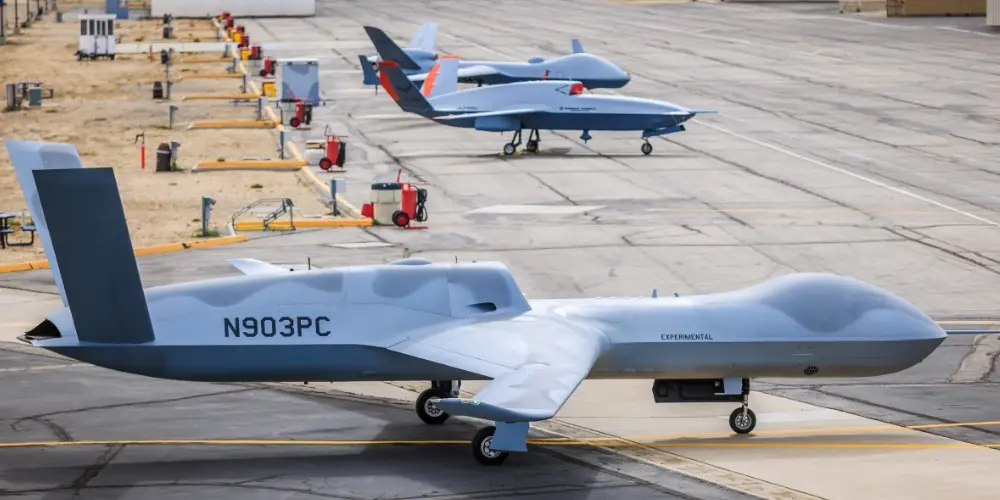
General Atomics Aeronautical Systems, Inc. (GA-ASI) made a big leap in autonomous aerial warfare on July 8, 2025. Their MQ-20 Avenger® unmanned jet proved it can perform live air-to-air combat on its own.
This event showed how different technologies work together to create a powerful, self-guided system. GA’s focus on integrating sensors, command systems, and autonomy means this drone is ready for real combat missions.
GA’s Autonomous Jet
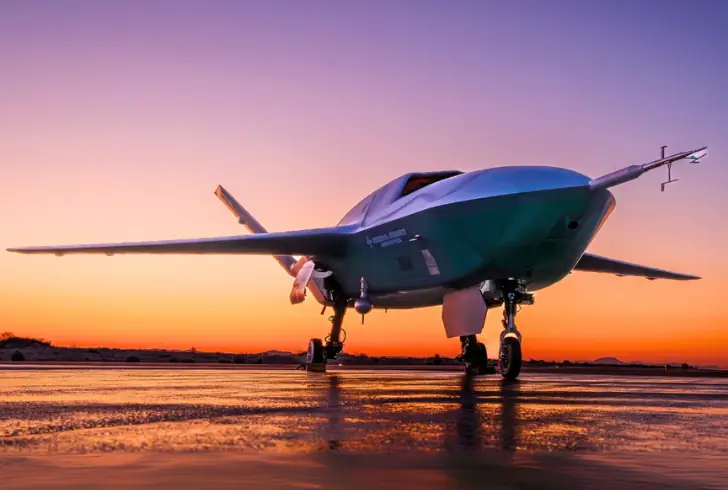
During the test, the MQ-20 Avenger acted as a Collaborative Combat Aircraft (CCA) in a strict emissions control setting. The jet flew mostly on its own, using software from GA-Intelligence called Optix.C2 combined with the Tactical Autonomy Core Ecosystem (TacACE). This setup let the drone analyze data from many sensors and make decisions without a pilot’s constant input.
1. It combined data from satellites and local sensors.
2. Operated beyond the line of sight (BLOS) with advanced command control.
3. Patrolled a combat air zone independently.
These technologies gave the drone a full picture of the battlefield. It could find threats, work with other aircraft, and engage targets all by itself.
How Collaborative Combat Aircraft Work
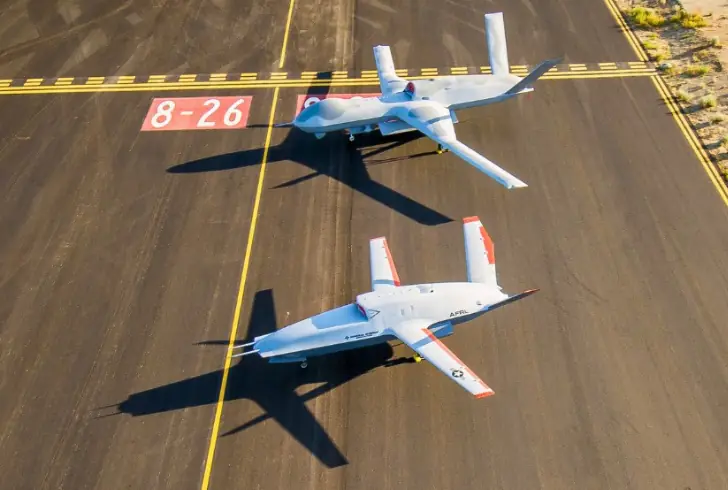
One exciting part of the test was controlling multiple CCAs—one real drone and three virtual ones. A human operator gave orders to search for threats. Once threats were spotted, the system took over and acted on its own. The drones simulated missile launches, checked the results, and returned to their patrol area without further input.
Optix.C2 software made this possible. It manages command and control close to the drone while staying linked to a bigger network. This keeps all aircraft connected and aware of the bigger situation.
Intelligence and Autonomy Combined
GA’s intelligence team provided the software that fuses data from many sources. It merges space and tactical sensors to create a clear, real-time threat map for the drone. This helps the drone make fast, accurate decisions.
The demonstration also showed how Intelligence, Surveillance, and Reconnaissance (ISR) tasks can be managed through a single, cloud-ready interface. This simplifies control and boosts flexibility.
What This Means for Future Battles
Michael Atwood, Vice President at GA-ASI, called this a major step forward. He said the system supports faster decisions and better control during fights with advanced adversaries. Combining TacACE with Optix.C2 allows drones to work independently yet stay connected to the overall mission.
GA is focused on building drones that can work together and take on complex tasks with less human help. This meets the growing need for drones that can stay in the air longer and perform multiple roles.
GA’s Leadership in Unmanned Aircraft
GA has more than 8 million flight hours across drones like the Predator®, Reaper®, Gray Eagle®, and Avenger®. They specialize in long-endurance, multi-mission aircraft designed for persistent awareness and quick strikes.
This demonstration shows GA’s drive to improve autonomy, sensor integration, and command systems. These tools are key to modern air combat and future defense needs.
Expanding Autonomous Air Warfare
The success of this test proves GA can build reliable autonomous drones for tough combat environments. The integration of TacACE and Optix.C2 shows new ways machines and humans can work together. Machines handle routine or risky tasks, freeing humans to make strategic decisions.
General Atomics Aeronautical Systems and General Atomics Integrated Intelligence are pushing the limits of autonomous aviation. This test sets a new standard for smart, networked, and self-reliant aerial combat systems. These advances prioritize speed, precision, and a clear view of the battlefield.