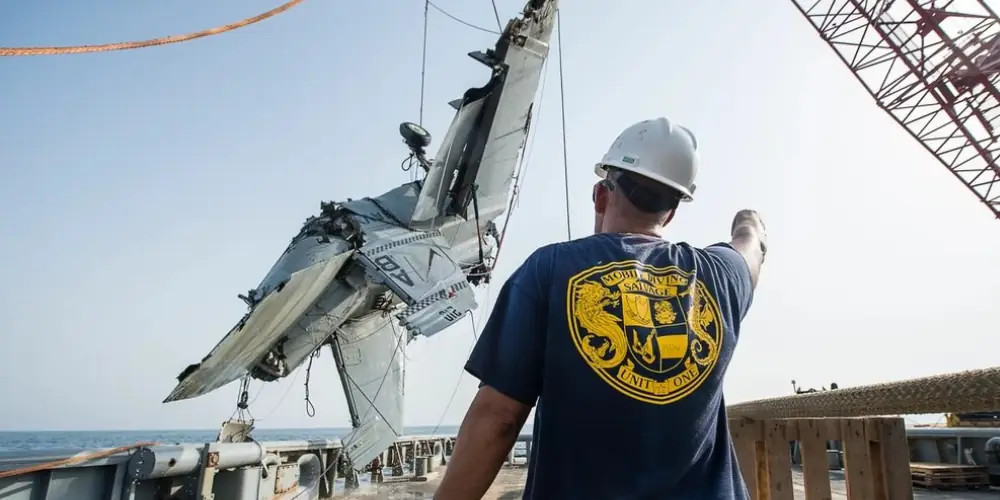
A tense winter morning over the Red Sea turned into one of the most alarming friendly fire events in recent US naval operations. What started as routine flights for Navy F/A-18 Super Hornets ended with one jet destroyed, another shaken by a near-miss, and a warship crew grappling with decisions that investigators later described as deeply flawed.
The full command investigation, reviewed before its release, illustrates how a series of technical issues, misjudgments, and fatigue aligned at the worst moment possible.
A Deadly Misidentification
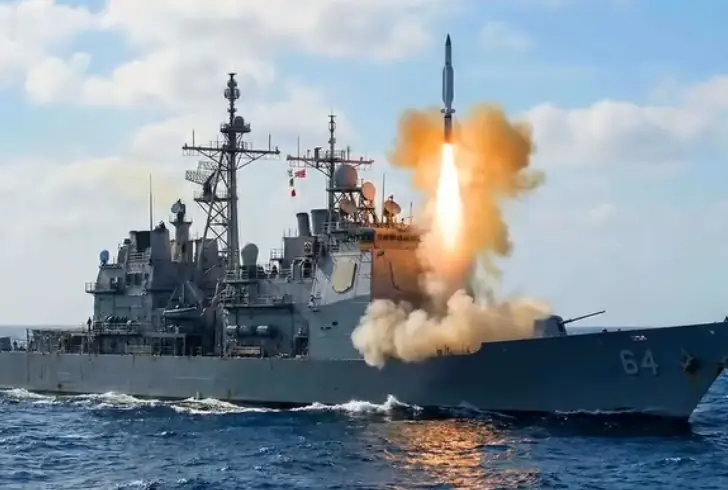
Two F/A-18 Super Hornets flying from the USS Harry S. Truman were mistakenly identified as Houthi anti-ship cruise missiles by the crew of the USS Gettysburg, a Ticonderoga-class guided-missile cruiser. At the time, the Truman strike group had entered the Red Sea to continue combat operations against Houthi threats that had been disrupting shipping lanes for nearly a year.
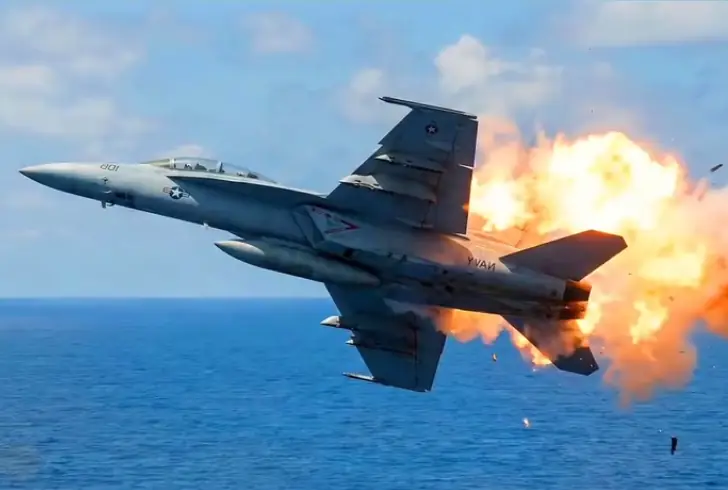
According to the investigation, dated late 2025, the Gettysburg fired surface-to-air missiles at both jets. One aircraft, a roughly $60 million Super Hornet from Strike Fighter Squadron 11 (VFA-11), the “Red Rippers,” was hit. The pilot and the weapons officer ejected just moments before impact. The second jet escaped only because its crew chose to maneuver aggressively rather than eject.
A Chaotic Sequence in the Sky
When the first missile ascended, its intended targets assumed it had been fired at a Houthi drone that remained unlocated. But the missile suddenly redirected toward their aircraft. The pilot later recounted that his life “flashed before his eyes” as he and his weapons officer made the split-second decision to eject.
The missile struck the F/A-18 just after the crew separated from the aircraft.
Another missile streaked toward the second jet. The crew issued repeated mayday calls and evaded the weapon by outrunning its final course correction. The jet shook violently as the missile passed just feet away before burning out and exploding in the water.
Crew aboard a nearby Navy helicopter said they watched the missile “flash” overhead and noted that there was no warning that the Gettysburg had fired.
The Investigation’s Findings
The command investigation identified several breakdowns that led to the misfire:
System Failures
Early in the deployment, the Navy documented “significant degradation” in the Gettysburg’s core interoperability systems. The cruiser suffered problems with tracking, identification, network management, weapon coordination, and mission engagement. These issues limited the ship’s ability to accurately distinguish between friend and foe.
Operational Confusion
The Gettysburg had been intercepting Houthi weapons shortly before the incident. Conflicting assessments on whether the threat had ended left the ship’s crew on edge.
Leadership Gaps
Investigators concluded that the commanding officer’s situational awareness was low at the time of the launch. The combat information center was unable to help him recover an accurate understanding of the battlespace. The investigation stated plainly that “the decisions to shoot were wrong when measured across the totality of information available.”
A Troubled Deployment
This event was only one of several significant mishaps during the Harry S. Truman strike group’s extended operations.
Other incidents included:
1. A February collision between the aircraft carrier and a cargo vessel.
2. Two additional F/A-18 losses: one fell off the carrier’s deck with a tow tractor in April, and another slid off the flight deck during a landing in May.
3. An earlier friendly fire scare in February 2024, when a German warship accidentally targeted a US MQ-9 Reaper drone before its radar malfunction prevented missile impact.
These events combined to mark one of the more challenging deployments in recent years.
Navy Response
In a statement, Vice Chief of Naval Operations Adm. Jim Kilby stressed the service’s continued commitment to improving operational performance, noting that the findings highlight the importance of ongoing investment in personnel readiness and training to ensure fully prepared forces for operational commanders.
The Red Sea friendly fire incident shows how technical problems, high pressure, and fast decisions can collide during intense missions. It also highlights how quickly a situation can turn dangerous. The official record makes clear how close the Navy came to losing more aircraft and aviators that morning.
In addition, it points to the need for better system reliability. Clear communication and stronger readiness are also important as naval forces continue to work in challenging environments.