Luxury spending is entering a new phase, and the world’s richest buyers are the ones driving the momentum. Even amid geopolitical tensions and economic uncertainty, high-net-worth consumers are reshaping the market by favoring elevated experiences over traditional status symbols.
A recent Bain & Company and Altagamma report underscores a meaningful reordering of priorities among the affluent.
Luxury Market Remains Strong
Despite a smaller customer base and fewer purchases from aspirational shoppers, global luxury spending is expected to reach $1.66 trillion by 2025—roughly the same as last year.
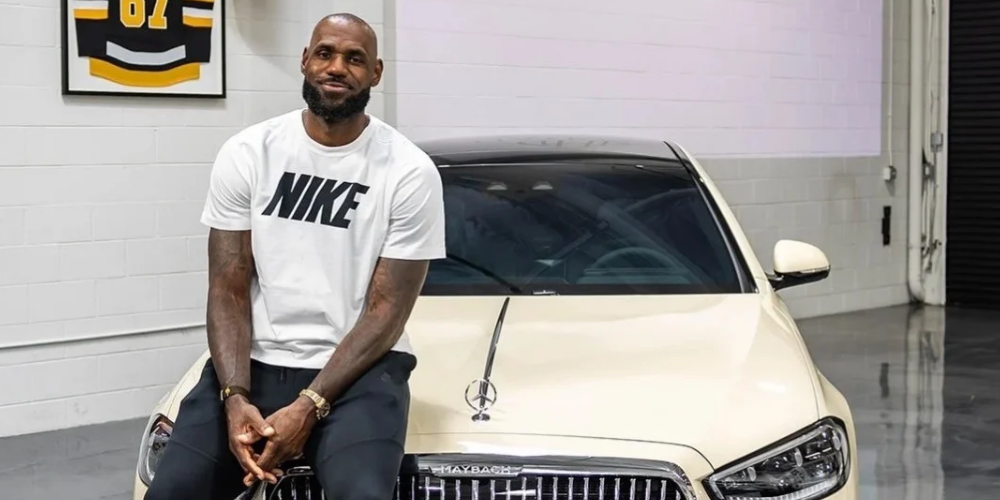
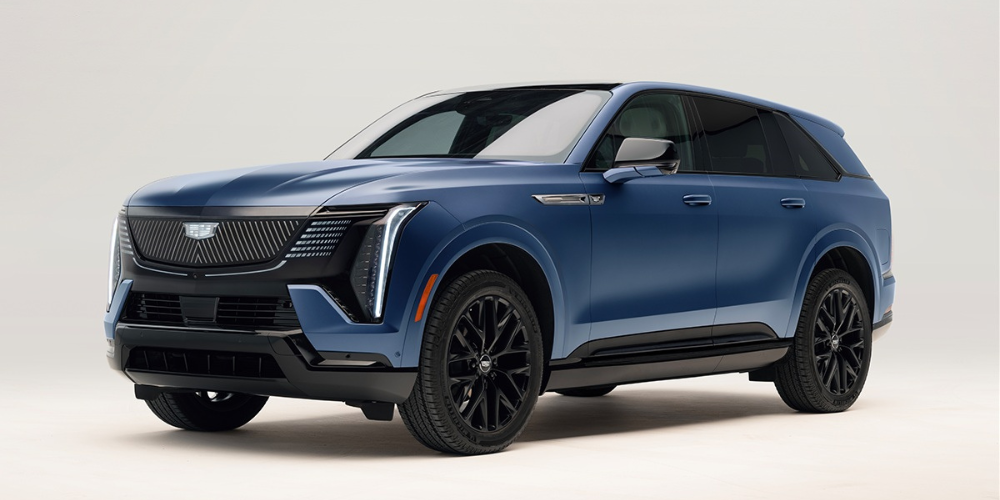
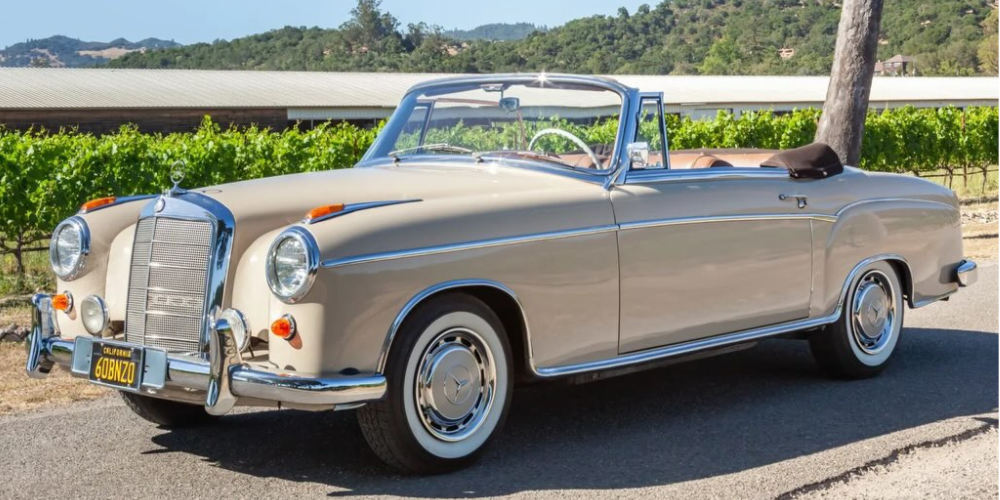
The study outlines a major shift in behavior: spending is drifting away from physical items—including luxury cars and collectible art—and toward meaningful, high-touch experiences.
Experiences Over Goods

Spending trends include:
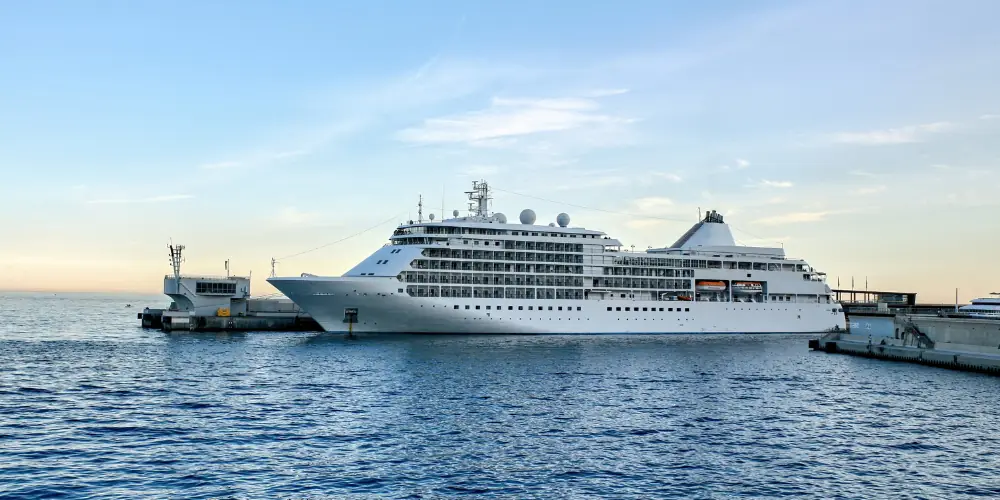
- Luxury cruises – up 12% year over year
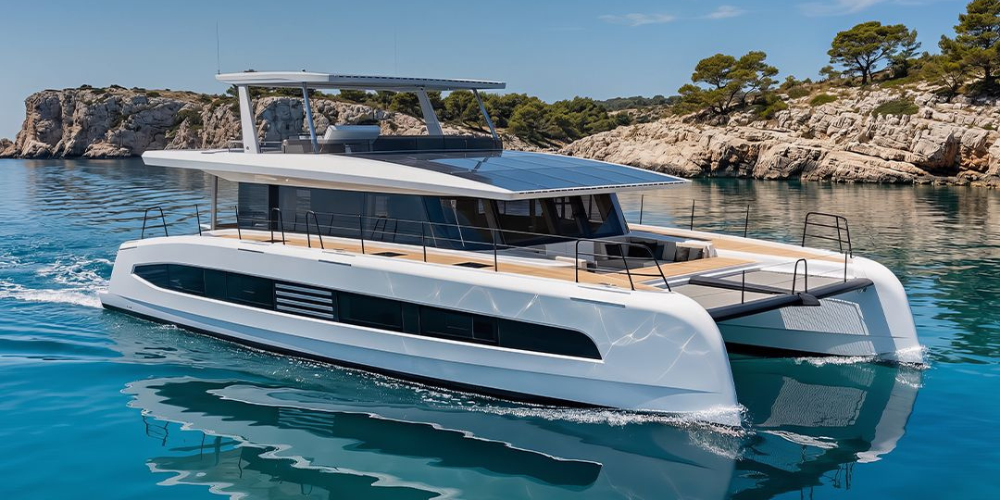
- Private jets and yachts – up 11%
- Fine dining – growing 7%
- Luxury hospitality – also increasing 7%
Meanwhile, spending on traditional luxury goods shows mixed results: personal luxury goods remain flat, luxury car sales are down 4%, and fine art purchases have declined by 7%.
The overall luxury consumer base has decreased from 400 million in 2022 to an estimated 340 million in 2025. Despite this decline, “big spenders” continue to dominate, representing nearly half of the market.
Notable Luxury Moves
One high-profile example of this trend is billionaire Mark Zuckerberg’s yacht, The Launchpad, spotted in Raiatea, French Polynesia, in December 2024. Such high-value assets reflect the growing preference for experiences that combine privacy, comfort, and status.
French luxury conglomerate LVMH, owner of Tiffany & Co., Louis Vuitton, Hennessy, and Dom Perignon, reported slow growth for most of the year due to tariffs and economic disruptions. The company saw organic growth return only in the third quarter, posting a modest 1% year-on-year increase.
Challenges in Personal Luxury Goods
Bain & Company and Altagamma warn that the personal luxury goods sector faces a “moment of truth.” Tariffs on Swiss imports have fueled a growing resale market, while leather goods struggle to find a standout product to drive sales. Jewelry and eyewear continue to show growth, while categories such as shoes, skincare, and makeup face declining demand.
Claudia D’Arpizio, head of luxury goods at Bain & Company, said, “This is luxury’s moment of truth: to rise through ethics, inclusivity, and authenticity, or retreat into elitism.”
Surprising Auction Results

Even with fine art sales slipping 12% year-over-year, the season’s marquee auctions delivered a string of unexpected wins. Gustav Klimt’s Portrait of Elisabeth Lederer climbed to $236.3 million—far beyond its $150 million projection. A Rothko canvas cleared $62.1 million, and Klimt’s Blumenwiese nudged past expectations at $86 million. Sotheby’s even moved a solid-gold toilet once proposed for Donald Trump, fetching $12 million.
These standout results show that while traditional luxury goods may see softer demand, exceptional art and rare collectibles continue to pull in global bidders.
How Buyers Are Changing
Affluent buyers are putting more of their discretionary budgets toward curated experiences: multi-day yacht charters, private jet travel, and bespoke culinary trips. With the luxury consumer base contracting, the purchasing patterns of high-net-worth individuals now shape the market narrative.
The 2025 luxury sector is steady yet evolving. Personal luxury goods face headwinds, but experiential spending and privately held assets continue to gain momentum, rewarding brands that lean into this shift.