

Private jet demand continues to support aircraft manufacturers, but production challenges remain a key factor shaping financial results.
Bombardier delivered a stronger-than-expected second quarter in 2026, reporting a sharp recovery in free cash flow and earnings that topped Wall Street estimates.
Even so, investors reacted cautiously after the company delivered fewer business jets than expected because of temporary supply chain issues, sending its shares lower during midday trading.
Strong Financial Results Offset Delivery Challenges
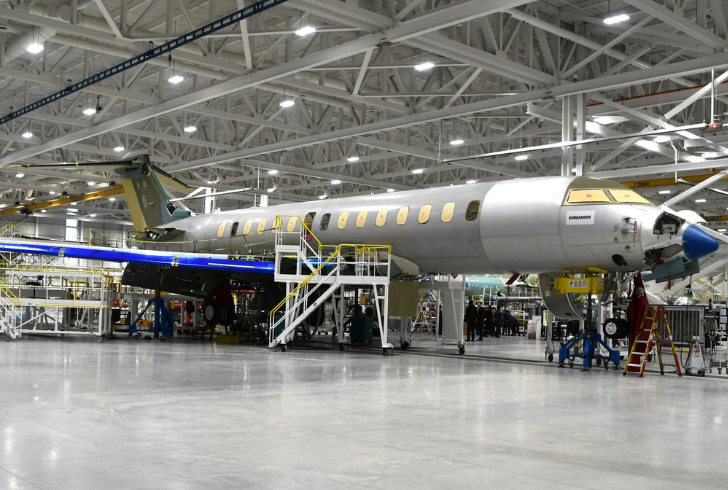
Bombardier reported second-quarter revenue of $2.15 billion, a 6% increase from the same period last year. The growth came despite a drop in aircraft deliveries, helped by steady demand for aftermarket services such as maintenance, repairs, and support.
The company generated $228 million in free cash flow, a significant improvement from the negative $164 million reported a year earlier. Analysts surveyed by LSEG had expected free cash flow of only $45.42 million, making the result a notable surprise. Customer deposits tied to new aircraft orders played an important role in the improvement.
Adjusted earnings also exceeded expectations. Bombardier posted $2.50 per share in adjusted profit, comfortably ahead of analysts’ forecast of $1.41 per share.
Despite the positive financial performance, Bombardier shares fell nearly 9% during midday trading as investors focused on slower aircraft deliveries and ongoing production constraints.
Supply Chain Issues Continue to Affect Deliveries
Bombardier delivered 32 business jets during the quarter, compared with 36 aircraft in the same quarter of 2025. The company said temporary supply chain disruptions, including shortages of aircraft windows, delayed some deliveries.
Chief Executive Officer Eric Martel said engine availability has improved for several aircraft programs, although some engine suppliers still have “a bit of catch-up to do.” He also told analysts that one-time supply chain problems are being resolved quickly but remain “still a drag in terms of our cost and delivery profile.”
Even with the slower second quarter, Bombardier continues to expect more than 157 aircraft deliveries in 2026, with most deliveries scheduled for the second half of the year.
Industry conditions have gradually improved since the COVID-19 pandemic, although manufacturers continue to face shortages of selected components.
Business Jet Market Remains Active
Demand for private aviation remains healthy, supported by new wealth created in industries such as artificial intelligence and companies including SpaceX. The growing customer base has helped sustain strong order activity across the business jet sector.
Flight activity also reflects that demand. Between January 1 and June 14, 2026, business jet flights increased across major U.S. cities compared with the same period last year.
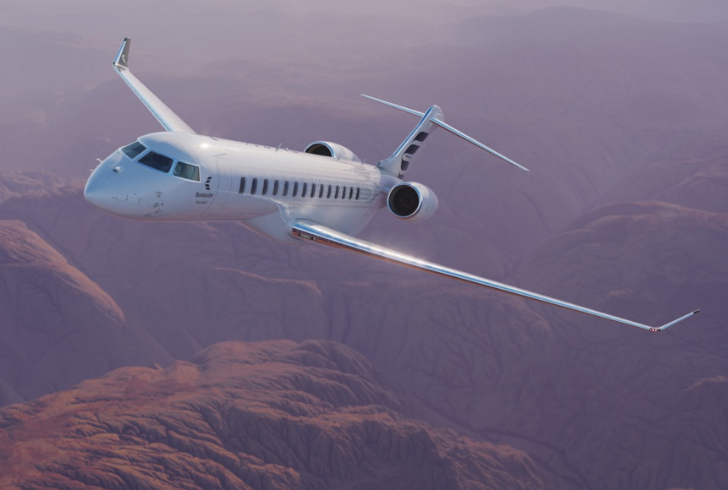
San Francisco recorded the strongest growth at 10.7%, while Las Vegas followed with 8.8%. Los Angeles, Miami, and Houston each posted 7.7% growth. New York remained the busiest market with 73,115 flights, up 6.2% year over year.
Competitors reported mixed results. Gulfstream Aerospace, a division of General Dynamics Corp, increased deliveries by three aircraft to 41, citing an improving supply chain. Meanwhile, Textron Inc., the manufacturer of Cessna business jets, said shortages involving key components continue to affect production.
Growth Plans Beyond Aircraft Sales
Bombardier’s order backlog reached $21.8 billion as of June 30, up $4.3 billion from the end of December, providing strong visibility into future production.
The company is also evaluating a possible acquisition to expand its aftermarket maintenance business. According to Martel, strengthening service operations remains a focus as demand for maintenance continues to grow.
Bombardier also sees opportunities in its defense division, which converts Global business jets into specialized mission aircraft. Rising defense spending across Canada and Europe, along with efforts to diversify suppliers beyond U.S. defense companies, could support future growth.
Martel said Bombardier expects to select a new Canadian facility to support Swedish partner Saab’s GlobalEye aircraft program by late 2026 or early 2027. He also welcomed Canada’s decision to participate in Europe’s delayed Global Combat Air Program (GCAP) fighter jet initiative.
Bombardier’s second-quarter results show a company benefiting from strong private jet demand while still managing production hurdles. The rise in free cash flow, solid earnings, and a larger backlog reflect continued customer interest.
However, delivery delays caused by supply issues remain a short-term challenge as the company works to increase aircraft output in the coming months.